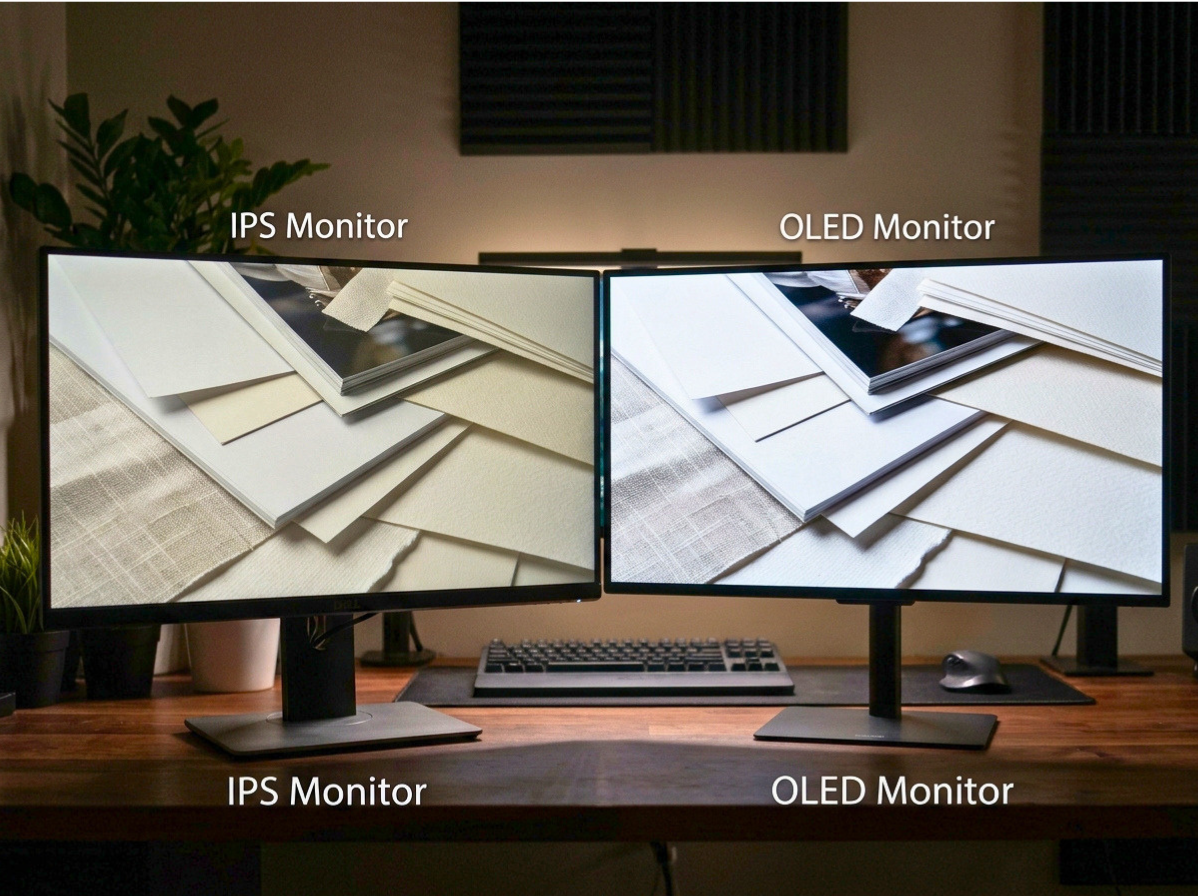

Adjusting the contrast setting on your monitor is a fundamental step in ensuring visual comfort and color accuracy. While many users leave their display settings at the factory default, fine-tuning the contrast can significantly improve your experience, whether you are editing photos, reading long documents, or watching high-definition media. Defining Monitor Contrast Contrast is defined … Read More “Understanding Monitor Contrast Settings for Optimal Visual Clarity” »
Finding the ideal monitor settings is essential for reducing eye strain and ensuring color accuracy during daily tasks. While many users default to factory settings, these are often optimized for retail display rather than long-term comfort. Adjusting your display requires balancing ambient light conditions with the specific capabilities of your hardware. Understanding Brightness vs. Contrast … Read More “Optimizing Monitor Brightness and Contrast for Eye Comfort and Accuracy” »
A monitor’s white level is the luminance of its brightest white, measured in nits (cd/m²). It is the top half of the contrast ratio (white luminance ÷ black luminance), so a higher, cleaner white raises contrast, but only if the whites stay detailed, evenly lit and the right color. “White level” is also used to … Read More “Monitor Contrast and White Levels: What They Mean and How to Set Them Right” »
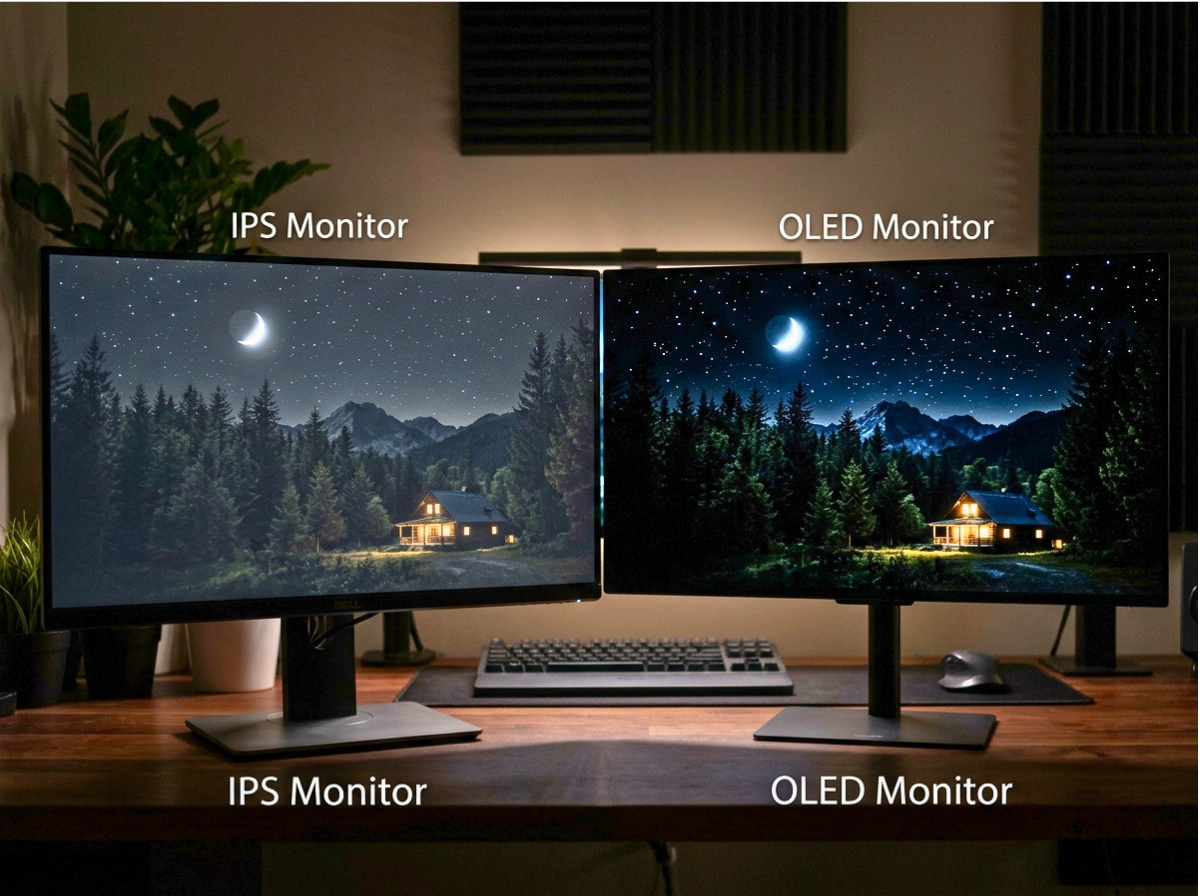
Contrast ratio is the difference between the brightest white and the darkest black a monitor can show at the same time. Black level is how dark the screen’s “black” really is, measured in nits (cd/m²). Lower black levels give higher contrast, deeper shadows and a more three-dimensional image, especially in dark rooms. As a general … Read More “Monitor Contrast and Black Levels: What They Really Mean and How to Choose” »
Optimizing monitor contrast for a dark room is essential for reducing eye strain and improving visual clarity during late-night work or entertainment. When ambient light is low, your eyes become more sensitive to brightness, making standard display settings feel harsh and fatiguing. Understanding Contrast and Brightness Contrast is the ratio between the brightest white and … Read More “Optimizing Monitor Contrast for Dark Room Environments” »
Achieving optimal visual comfort in a bright room requires a careful balance between monitor brightness, contrast settings, and ambient light management. When your workspace is flooded with natural or artificial light, your monitor must work harder to maintain visibility and color accuracy. Failing to adjust these settings can lead to eye strain, fatigue, and difficulty … Read More “Optimizing Monitor Contrast and Brightness for Bright Room Environments” »
Achieving optimal monitor contrast is essential for maintaining text clarity, reducing eye strain, and ensuring accessibility for all users. When the relationship between text color and background color is balanced correctly, readers can process information faster and with less fatigue. This guide explores the technical aspects of contrast and provides practical steps for improvement. Understanding … Read More “Optimizing Monitor Contrast for Text Clarity and Visual Comfort” »
When selecting a gaming monitor, the contrast ratio is often cited as a critical specification for visual quality. In simple terms, the contrast ratio represents the difference between the brightest white and the deepest black a screen can produce. For gamers, this metric directly influences how much detail is visible in dark scenes and how … Read More “Understanding Monitor Contrast Ratios for Gaming Performance” »
In the world of competitive first-person shooter (FPS) games, visual clarity is often the difference between a victory and a defeat. While high refresh rates and low response times are frequently cited as the most critical hardware specifications, monitor contrast plays a vital, often overlooked role in how effectively a player can identify targets in … Read More “Optimizing Monitor Contrast for Competitive FPS Gaming” »
Monitor contrast is a fundamental aspect of display technology that significantly influences how we perceive digital content. At its core, contrast refers to the ratio between the luminance of the brightest white and the darkest black a screen can produce. For general web browsing, achieving an optimal balance is essential for reducing eye strain and … Read More “Understanding Monitor Contrast for Web Browsing and Accessibility” »